

Why OEE Is The Manufacturing Metric That Matters Most
How OEE can transform your production floor from constant firefighting to strategic excellence and drive sustainable growth.

In today's competitive manufacturing landscape, Overall Equipment Effectiveness (OEE) has emerged as the single most powerful measurement of production efficiency. As management guru Peter Drucker famously stated: "You can't improve what you don't measure." And when it comes to manufacturing excellence, no measurement provides more insight than OEE.
It's not optional. It's fundamental. And for many manufacturing teams, it represents the untapped key to unlocking breakthrough performance.
The Harsh Reality of Production Efficiency
If you are leading a manufacturing operation, these challenges likely sound familiar:
- Production targets that seem increasingly difficult to meet
- Efficiency losses that remain frustratingly difficult to pinpoint
- Downtime issues with no time to figure out the root cause
- Persistent quality problems despite multiple improvement initiatives
- Capacity constraints without clear justification for capital expenditure
- Inconsistent performance across shifts, lines, or facilities
- Improvement efforts that yield temporary gains but fail to sustain
The Essential Metric: Overall Equipment Effectiveness (OEE)
OEE is the foundation of manufacturing excellence. It provides a comprehensive view of your production efficiency by measuring three critical factors: is your equipment running when it should be (availability), is it operating at optimal speed (performance), and how many good parts is it producing (quality). When multiplied together, these percentages create a single, powerful metric that reveals the true efficiency of your operation.
Why Most Companies Implement OEE Incorrectly
Many manufacturing leaders claim they are monitoring OEE, but when we examine their approach, they are calculating it sporadically (missing the continuous improvement opportunity), using inconsistent standards (applying one standard target to all production), focusing on the number rather than the insights, and treating it as a management tool only instead of engaging operators in the process.
This is not merely about having a percentage. It is about having an accurate measurement, calculated consistently, that drives meaningful action.
The Breakthrough: Converting Measurement to Improvement
The most progressive manufacturers are using OEE as more than a metric, they are using it as the cornerstone of a continuous improvement cycle where real-time data identifies constraints, root cause analysis turns measurements into actionable insights, focused improvement initiatives address the highest-impact issues, process controls like quality checks or paperless checklists get deployed to drive efficiency, and results are measured and verified.
This approach does not just tell you there is an efficiency gap, it helps you systematically close it.
From Measurement to Mastery
Imagine starting your day with clear visibility into exactly where your production losses are occurring and which actions will have the greatest impact. Imagine shifting from reactive firefighting to proactive improvement, steadily increasing your competitive advantage month after month. This is not aspirational, it is what happens when you implement proper OEE tracking as part of a comprehensive performance improvement strategy.
Your Path to Manufacturing Excellence
You do not need expensive technology or complex equipment overhauls to begin your OEE journey. Establish baseline measurements in days, not months. Integrate data collection into existing production processes with minimal disruption. Focus on action, not perfection, begin with your critical constraints and expand from there.
The power of OEE lies not in its complexity, but in its simplicity, a simple objective measure of efficiency and a simple way of quantifying improvements.
Ready to transform your plant floor?
See how Essembi drives real results for your manufacturing team with a personalized demo.
More from the blog
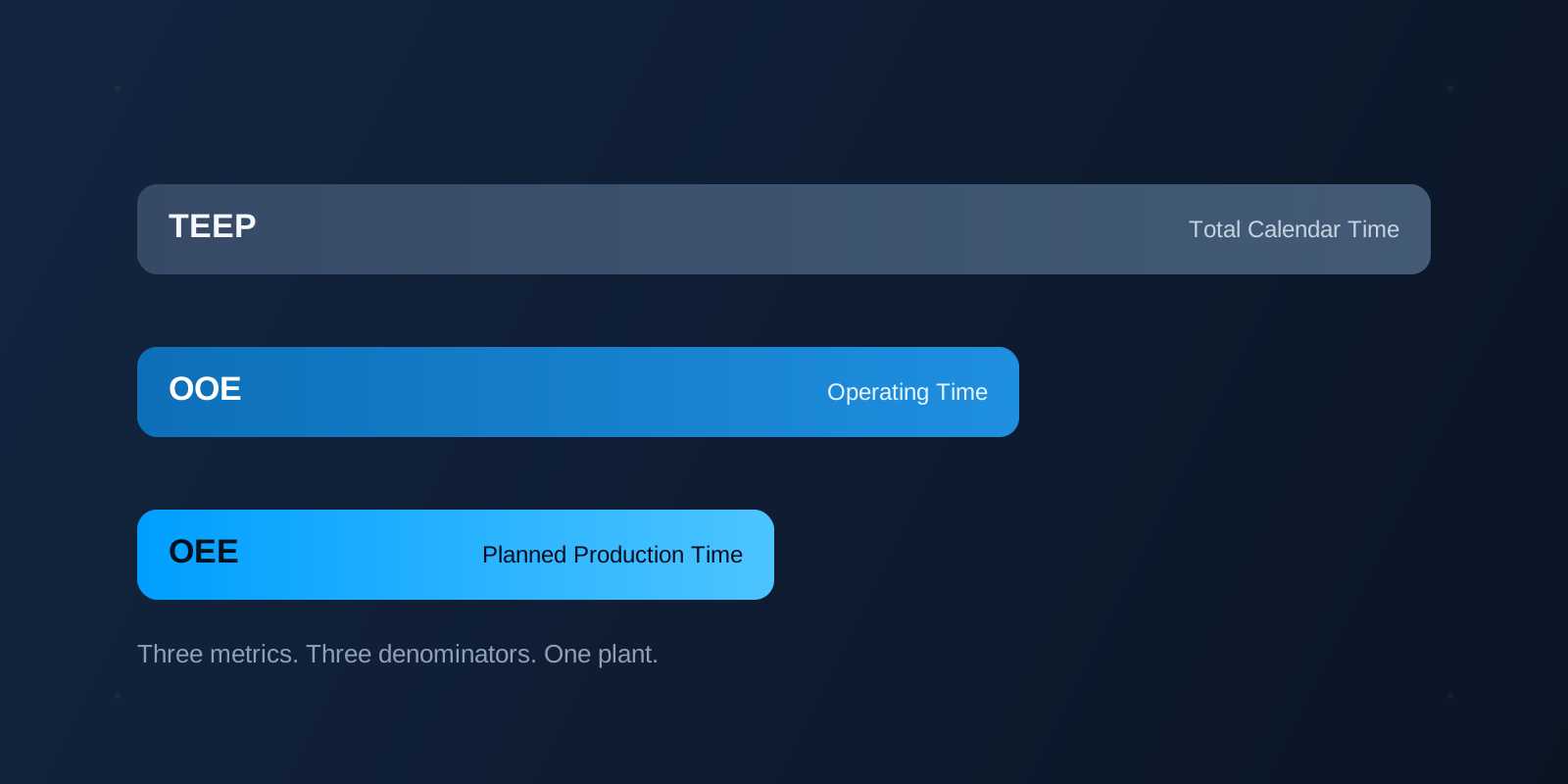
OEE vs. OOE vs. TEEP: Why One Metric Was Never Going to Be Enough
OEE tells you how well you ran the time you scheduled. OOE and TEEP reveal how much capacity you never scheduled in the first place. Here's how the three metrics fit together, who should own each one, and how to turn all three into action.
Read more
Ask Your Plant Floor Data a Question with AI
Essembi's new AI chat lets manufacturing leaders ask questions about downtime, maintenance, and quality, then dig deeper with follow-ups.
Read more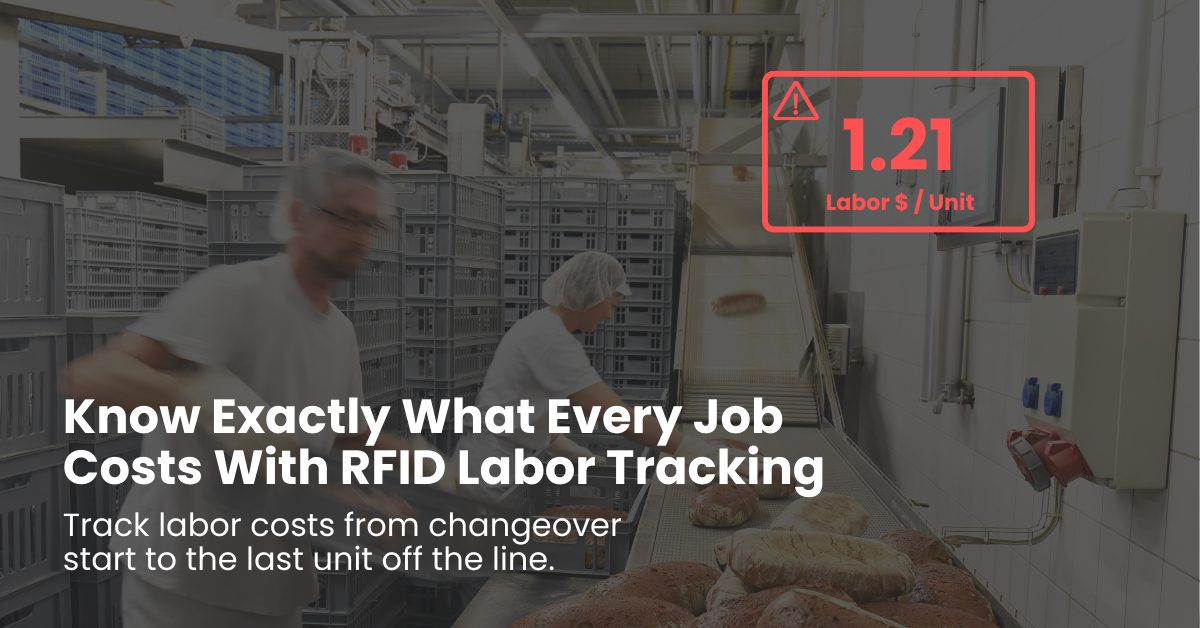
Know Exactly What Every Job Costs With RFID Labor Tracking
Track labor costs from changeover to the last unit off the line with RFID badge scanning built into Essembi.
Read more